Guide top › Regions › Echizen — the first blade region to be designated
Echizen — the first blade region to be designated
越前打刃物 (Echizen uchi-hamono) — Echizen in Fukui Prefecture has forged blades for about 700 years and in 1979 became the first blade-producing region in Japan to receive the national Traditional Craft designation. Its Takefu Knife Village is a working cooperative of knife workshops.
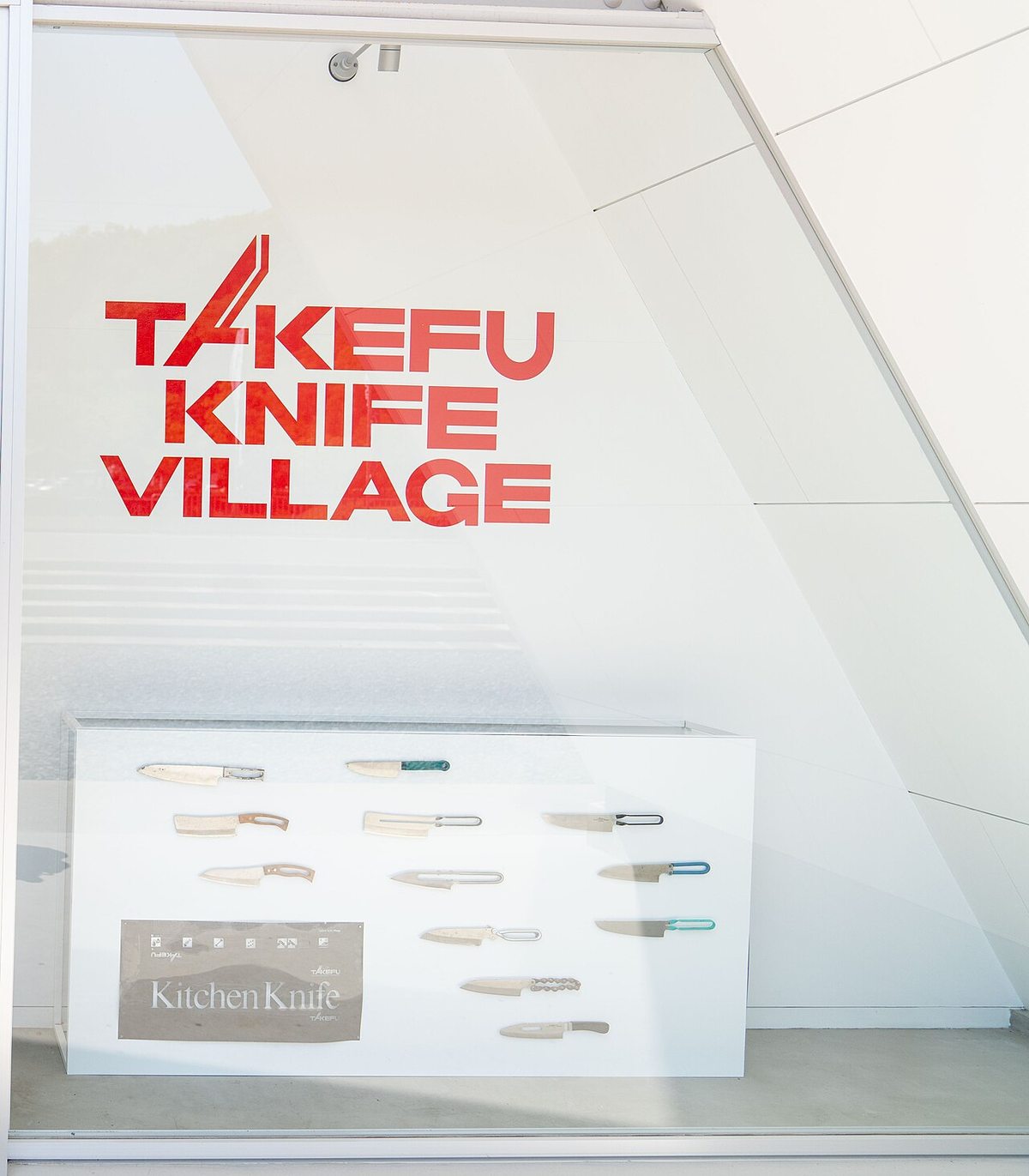
| Record type | Blade region |
|---|---|
| Origin | Echizen City, Fukui Prefecture |
| Japanese name | 越前打刃物 (Echizen uchi-hamono) |
| Traditional Craft designation | Designated a Traditional Craft in 1979 — the first blade-producing region in Japan to receive the designation |
| How production is organised | Independent smiths plus the Takefu Knife Village cooperative workshops; local steelmaker Takefu Special Steel supplies blade steels |
Echizen uchi-hamono (Echizen forged blades), made around Echizen City in Fukui Prefecture, was designated a Traditional Craft in 1979 — the first blade craft in Japan to be designated. The tradition is traced to the 14th-century swordsmith Chiyozuru Kuniyasu, and its signature technique builds thin, light blades by forge-welding two layers and drawing them out together. The region is also home to Takefu Special Steel, maker of the VG-10 and SG2 knife steels, and to the Takefu Knife Village cooperative workshops.
Echizen's claim is written into the national record: when Japan's Traditional Craft designations reached the blade industry in 1979, Echizen was designated first. Seven centuries of forging sit behind that date.
Designated first, in 1979
Echizen uchi-hamono was designated a Traditional Craft in 1979. Academic surveys of the designation system note that it was the first of Japan's blade-producing regions to be designated — three years before Sakai.
The designation covers the forged blades of the Echizen area: sickles, nata hatchets, scissors and kitchen knives, with kitchen knives now the best-known part of the output overseas.
Seven hundred years of forging
Local tradition traces Echizen blade-making to Chiyozuru Kuniyasu, a swordsmith who came from Kyoto around 1337 looking for a suitable place to work, and who made sickles for the farmers who sheltered him. Whether or not every detail of the story is documented, the region's forges have produced agricultural blades and knives continuously since the medieval period.
A signature Echizen technique welds two layers of steel and draws them out together while keeping the blank hot, which produces blades that are thin and light without losing the hard edge steel.
Takefu Knife Village and Takefu steel
Many Echizen smiths now work in and around Takefu Knife Village, a cooperative workshop complex in Echizen City where visitors can watch forging and sharpening at close range and where a younger generation of makers has been trained.
The region also hosts Takefu Special Steel, the specialist mill whose VG-10 and SG2 steels are used by knife makers all over Japan — so Echizen contributes to modern Japanese knives twice over, as a forging region and as a steel source.
Read alongside
Sources
- Echizen uchi-hamono — Wikipedia (Japanese) — History and techniques of Echizen forged blades
- Sustainability of culture and industry in traditional crafts (J-STAGE journal article) — Table of blade regions and designation years, including Echizen 1979 and Sakai 1982
- Takefu Knife Village — Wikipedia (English) — The cooperative workshop village in Echizen City
Record source: Wikipedia (Japanese). Text is original to this guide, written from the cited sources. Wikipedia material is used under CC BY-SA. Official, association and maker pages were used for facts and figures only; no text or photographs were copied from them.